Technology
Direct air capture, built into the building
Our technology integrates advanced adsorbent materials into building ventilation systems, capturing CO2 from both metabolic and atmospheric sources, where concentrations are highest.
Why indoor air
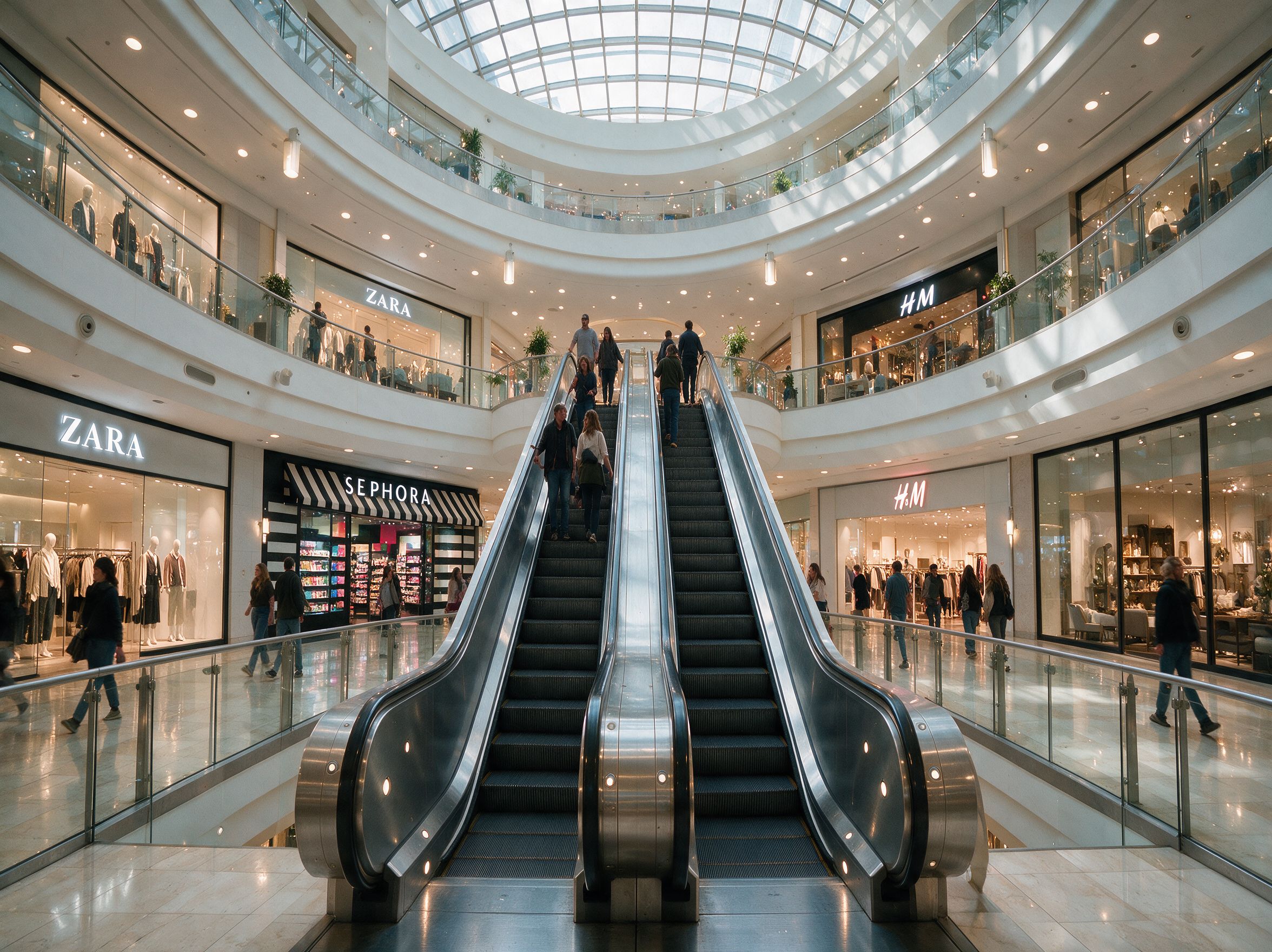
Indoor air is CO2-rich. Every person exhales carbon dioxide, and ventilation systems already move that air. Instead of building energy-hungry capture plants, we intercept the CO2 where it's most concentrated, in the exhaust air stream.
The process in three phases
Selective capture
Advanced, eco-friendly adsorbent materials integrated in the ventilation system bind CO2 molecules as air passes through.
Regeneration
When the adsorbent is saturated, the captured CO2 is released, for example through controlled heating.
Compression and reuse
The purified CO2 is compressed, stored and reused in concrete production, chemicals, food production and greenhouse cultivation.
From room to rooftop
Step inside
It starts where people gather
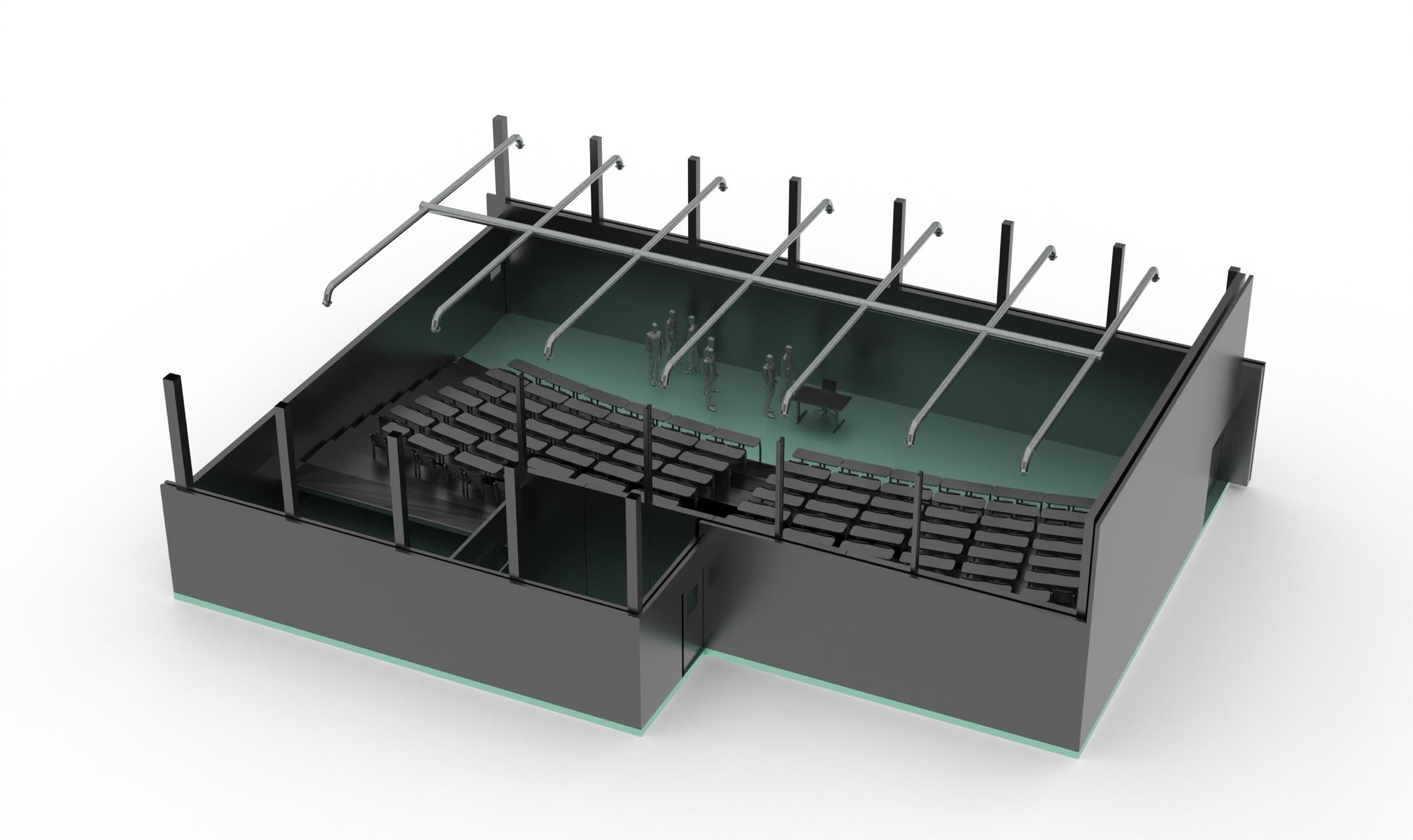
In an occupied lecture hall, office or arena, discharge ducts collect the CO2-rich exhaust air and route it out of the room.
On the roof
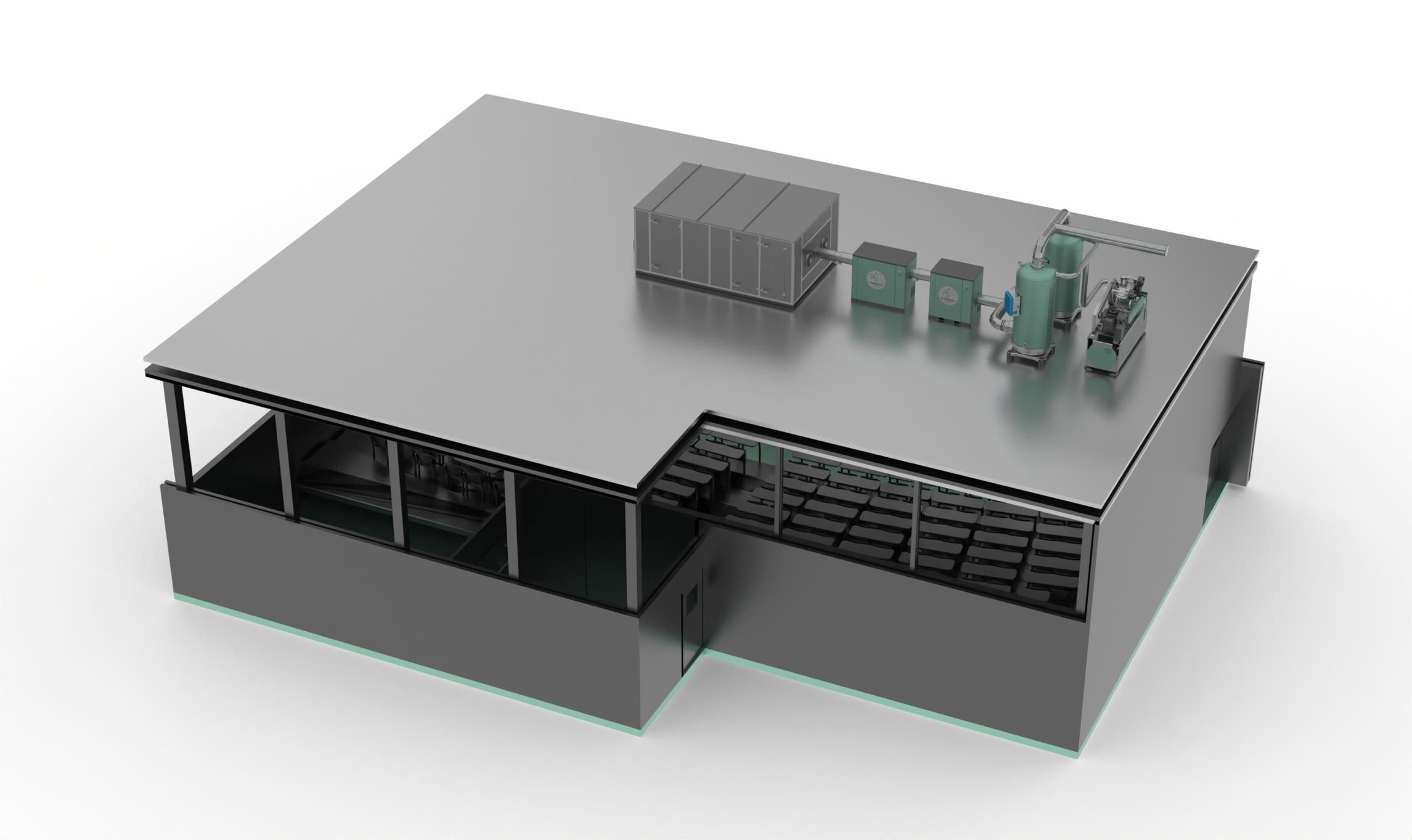
A complete system on the roof
The capture chain connects directly to the building's existing HVAC installation. No rebuilding of the spaces below.
The full chain
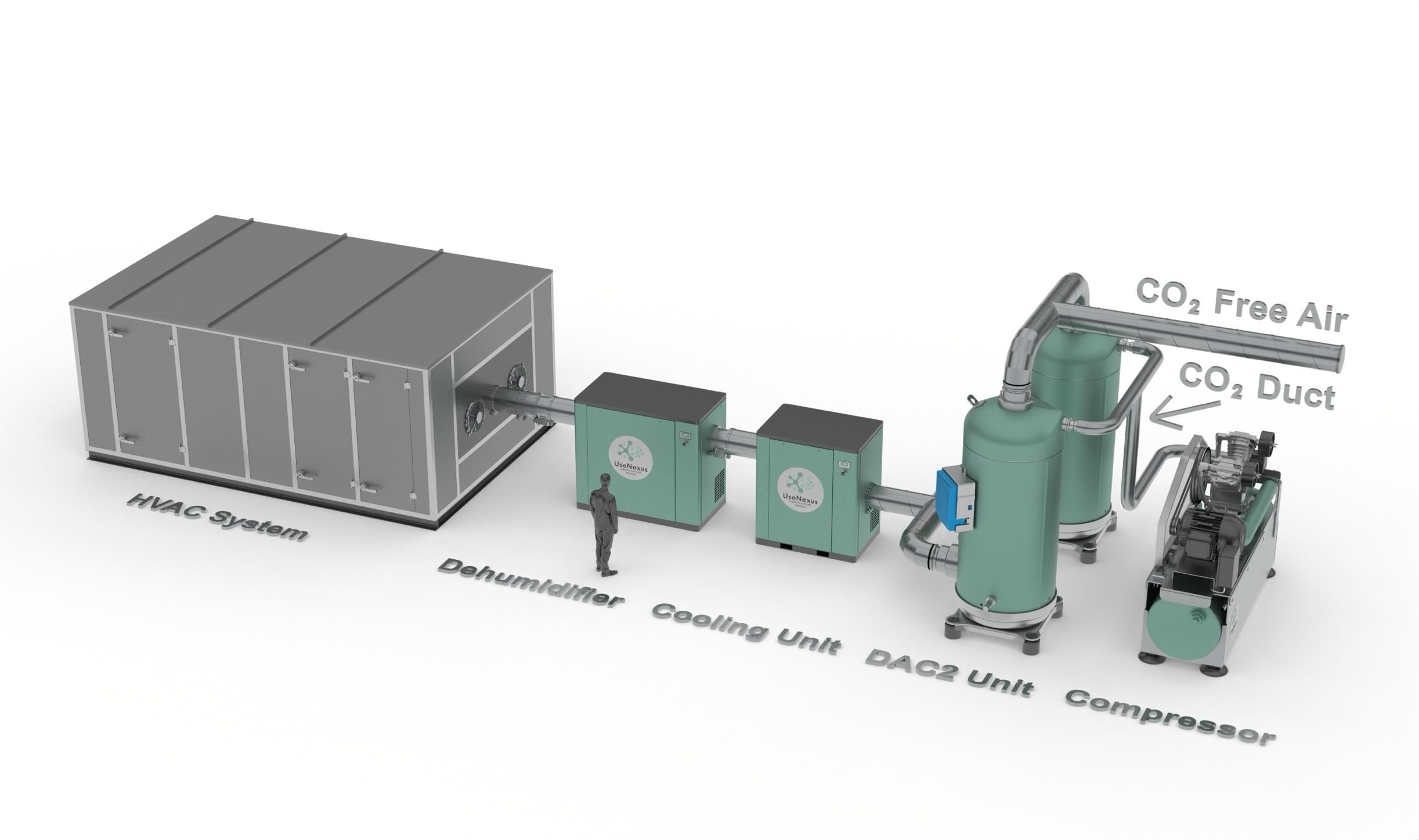
From exhaust air to pure CO2
HVAC system, dehumidifier, cooling unit, DAC2 unit and compressor work in sequence. Out comes CO2-free air, and pure CO2 ready for reuse.
Case study
Linköping University campus
Together with Linköping University, we have studied the capture potential at Campus Valla: 166,000 square meters of university buildings used by more than 18,000 students. The analysis shows a capture potential of around 1,850 tons of CO2 per year, roughly the annual emissions of 265 people in Sweden. High occupancy and long operating hours make campus environments ideal for indoor carbon capture.
- Capture potential
- 1,850tons CO2 / year
- Building users
- 18,000+students on campus
From emission to resource
Captured CO2 becomes a resource: boosting crop growth in greenhouses, enriching concrete, and serving as feedstock for chemicals and food production. A circular model that turns emissions into value.
The technology is built on two decades of world-leading research on energy efficiency and climate control at Linköping University.
Discuss your building